PNAS
1.Strenkert D, et al. 2019, Multiomics resolution of molecular events during a day in the life of Chlamydomonas. PNAS 116 (6): 2374-2383
2.Vries J, et al. 2018. Embryophyte stress signaling evolved in the algal progenitors of land plants. PNAS 115 (15): 3471-3480
3.Allorent G, et al. 2016. UV-B photoreceptor-mediated protection of the photosynthetic machinery in Chlamydomonas reinhardtii. PNAS 113 (51): 14864-14869
4.Wang LS, et al. 2016. Singlet oxygen- and EXECUTER1-mediated signaling is initiated in grana margins and depends on the protease FtsH2. PNAS, DOI: 10.1073/pnas.1603562113
5.Zeng Y,et al. 2014. Functional type 2 photosynthetic reaction centers found in the rare bacterial phylum Gemmatimonadetes. PNAS 111(21): 7795-7800
6.Kim C. et al. 2009. 1O2–mediated retrograde signaling during late embryogenesis predetermines plastid differentiation in seedlings by recruiting abscisic acid. PNAS 106(24): 9920-9924
7.Jeong J. et al. 2008. Chloroplast Fe (III) chelate reductase activity is essential for seedling viability under iron limiting conditions. PNAS 105(30): 10619-10624
8.Hoewyk D, et al. 2007. Chloroplast iron-sulfur cluster protein maturation requires the essential cysteine desulfurase CpNifS. PNAS 104(13): 5686-5691
9.Kropat J. et al. 2005. A regulator of nutritional copper signaling in Chlamydomonas is an SBP domain protein that recognizes the GTAC core of copper response element. PNAS 102(51): 18730-18735
Nature Plants
1.Aihara Y, et al. 2019, Algal photoprotection is regulated by the E3 ligase CUL4–DDB1DET1. Nature Plants 5: 34–40
2.Pinnola A, et al. 2018. A LHCB9-dependent photosystem I megacomplex induced under low light in Physcomitrella patens. Nature Plants 4: 910–919
3.Dall'Osto L, et al. 2017. Two mechanisms for dissipation of excess light in monomeric and trimeric light-harvesting complexes. Nature Plants 3(5): 17033
4.Jacobs M, et al. 2016. Photonic multilayer structure of Begonia chloroplasts enhances photosynthetic efficiency. Nature Plants, doi:10.1038/nplants.2016.162
Nature Communications
1.Exposito-Rodriguez M, et al. 2017. Photosynthesis-dependent H2O2 transfer from chloroplasts to nuclei provides a high-light signalling mechanism. Nature Communications 8: 49
2.Velez-Ramirez A I, et al. 2014. A single locus confers tolerance to continuous light and allows substantial yield increase in tomato. Nature communications, DOI: 10.1038/ncomms5549
3.Armbruster U, et al. 2014. Ion antiport accelerates photosynthetic acclimation in fluctuating light environments. Nature Communications, DOI: 10.1038/ncomms6439
Science
1.Berman-Frank I, et al. 2001. Segregation of Nitrogen Fixation and Oxygenic Photosynthesis in the Marine Cyanobacterium Trichodesmium. Science, 294: 1534-1537
The Plant Cell
1.Lv R, et al. 2019, Uncoupled expression of nuclear and plastid photosynthesis-associated genes contributes to cell death in a lesion mimic mutant. The Plant Cell 31: 210–230
2.Zhang L, et al. 2018, Nucleus-encoded protein BFA1 promotes efficient assembly of the chloroplast ATP synthase coupling factor 1. The Plant Cell, doi:10.1105/tpc.18.00075
3.Yang Z, et al. 2017. RNase H1 Cooperates with DNA Gyrases to Restrict R-loops and Maintain Genome Integrity in Arabidopsis Chloroplasts. The Plant Cell, doi:10.1105/tpc.17.00305
4.Alejandro S, et al. 2017. Intracellular Distribution of Manganese by the Trans-Golgi Network Transporter NRAMP2 Is Critical for Photosynthesis and Cellular Redox Homeostasis. The Plant Cell, doi:10.1105/tpc.17.00578
5.Sugliani M, et al. 2016. An Ancient Bacterial Signaling Pathway Regulates Chloroplast Function to Influence Growth and Development in Arabidopsis. The Plant Cell 28(3): 661-679
6.Nitschke S, et al. 2016. Circadian Stress Regimes Affect the Circadian Clock and Cause Jasmonic Acid-Dependent Cell Death in Cytokinin-Deficient Arabidopsis Plants. The Plant Cell 28 (7), doi:10.1105/tpc.16.00016
7.Thalmann MR, et al. 2016. Regulation of leaf starch degradation by abscisic acid is important for osmotic stress tolerance in plants. The Plant Cell, doi:10.1105/tpc.16.00143
8.Pinnola A, et al. 2015. Light-Harvesting Complex Stress-Related ProteinsCatalyzeExcessEnergy Dissipation in BothPhotosystems of Physcomitrella patens. The Plant Cell 27(11): 3213-3227
9.Schmollinger S, et al. 2014. Nitrogen-Sparing Mechanisms in Chlamydomonas Affect the Transcriptome, the Proteome, and Photosynthetic Metabolism. The Plant Cell 26(4): 1410-1435
10.Kleinknecht L, et al. 2014. RAP, the Sole Octotricopeptide Repeat Protein in Arabidopsis, Is Required for Chloroplast 16S rRNA Maturation. The Plant Cell, doi:10.1105/tpc.114.122853
11.Kim C, et al. 2012. Chloroplasts of Arabidopsis Are the Source and a Primary Target of a Plant-Specific Programmed Cell Death Signaling Pathway. The Plant Cell 24: 3026-3039
12.Dietzel L, et al. 2011. Photosystem II supercomplex remodeling serves as an entry mechanism for state transitions in Arabidopsis. The Plant Cell 23: 2964-2977
13.Sommer F, et al. 2010. The CRR1 nutritional copper sensor in Chlamydomonas contains two distinct metal–responsive domains. The Plant Cell 22: 4098-4113
14.Miura E, et al. 2007. The balance between protein synthesis and degradation in chloroplasts determines leaf variegation in Arabidopsis yellow variegated mutants. The Plant Cell 19: 1313-1328
15.Pfalz J, Liere K, Kandlbinder A, Dietz K J & Oelmüller R. 2006. pTAC2,–6, and–12 are components of the transcriptionally active plastid chromosome that are required for plastid gene expression. The Plant Cell 18: 176-197
New Phytologist
1.Bobik K, et al. 2019. The essential chloroplast ribosomal protein uL 15c interacts with the chloroplast RNA helicase ISE 2 and affects intercellular trafficking through plasmodesmata. New Phytologist 221(2): 850-865
2.Christa G, et al. 2017. Photoprotection in a monophyletic branch of chlorophyte algae is independent of energy‐dependent quenching (qE). New Phytologist 214(3): 1132-1144
3.Krausko M, et al. 2017. The role of electrical and jasmonate signalling in the recognition of captured prey in the carnivorous sundew plant Drosera capensis. New Phytologist 213: 1818-1835
4.Beike A K, et al. 2015. Insights from the cold transcriptome of Physcomitrella patens: global specialization pattern of conserved transcriptional regulators and identification of orphan genes involved in cold acclimation. New Phytologist 205: 869-881
5.Beike A K, et al. 2015. Insights from the cold transcriptome of Physcomitrella patens, global specialization pattern of conserved transcriptional regulators and identification of orphan genes involved in cold acclimation. New Phytologist 205: 869-881
6.Sagardoy R, et al. 2010. Stomatal and mesophyll conductances to CO2 are the main limitations to photosynthesis in sugar beet (Beta vulgaris) plants grown with excess zinc. New Phytologist 187: 145-158
7.Wingler A, Purdy S J, Edwards S A, Chardon F & Masclaux‐Daubresse C. 2010. QTL analysis for sugar‐regulated leaf senescence supports flowering‐dependent and‐independent senescence pathways. New Phytologist 185: 420-433
8.Küpper H, et al. 2009. Chromium–and copper–induced inhibition of photosynthesis in Euglena gracilis analysed on the single–cell level by fluorescence kinetic microscopy. New Phytologist 182(2): 405-420
9.Rocchetta I & Küpper H, 2009. Chromium‐and copper‐induced inhibition of photosynthesis in Euglena gracilis analysed on the single‐cell level by fluorescence kinetic microscopy. New Phytologist 182: 405-420
10.Küpper H, Parameswaran A, Leitenmaier B, Trtilek M & Šetlík I, 2007. Cadmium‐induced inhibition of photosynthesis and long‐term acclimation to cadmium stress in the hyperaccumulator Thlaspi caerulescens. New Phytologist 175: 655-674
11.Flexas J, et al. 2006. Decreased Rubisco activity during water stress is not induced by decreased relative water content but related to conditions of low stomatal conductance and chloroplast CO2 concentration. New Phytologist 172: 73-82
12.Wingler A, Marès M & Pourtau N, 2004. Spatial patterns and metabolic regulation of photosynthetic parameters during leaf senescence. New Phytologist 161: 781-789
Plant Physiology
1.Küpper H, et al. 2019. Analysis of OJIP Chlorophyll Fluorescence Kinetics and QA Reoxidation Kinetics by Direct Fast Imaging. Plant Physiology 179: 369–381
2.Lellis AD, et al. 2019. eIFiso4G augments the synthesis of specific plant proteins involved in normal chloroplast function. Plant Physiology, doi: 10.1104/pp.19.00557
3.Guo H, et al. 2019. Aphid-borne viral spread is enhanced by virus-induced accumulation of plant reactive oxygen species. Plant Physiology 179: 143–155,
4.Gerotto C, et al. 2019. Thylakoid protein phosphorylation dynamics in a moss mutant lacking SERINE/THREONINE PROTEIN KINASE STN8. Plant Physiology 180: 1582–1597
5.Gonzalez-Bayon R, et al. 2019. Senescence and defense pathways contribute to heterosis. Plant Physiology 180: 240–252
6.Li Y, et al. 2019. OHP1, OHP2, and HCF244 form a transient functional complex with the photosystem II reaction center. Plant Physiology 179: 195–208
7.Lunn D, et al. 2018. Development defects of hydroxy-fatty acid-accumulating seeds are reduced by castor acyltransferases. Plant Physiology 177: 553–564,
8.Höhner R, et al. 2018. Reduced Arogenate Dehydratase Expression: Ramifications for Photosynthesis and Metabolism. Plant Physiology 177: 115–131
9.Sello S, et al. 2018. Chloroplast Ca2+ fluxes into and across thylakoids revealed by thylakoid-targeted aequorin probes. Plant Physiology 177: 38–51
10.Shang-Guan K, et al. 2018. Lipopolysaccharides trigger two successive bursts of reactive oxygen species at distinct cellular locations. Plant Physiology, doi:10.1104/pp.17.01637
11.Hantzis L J, et al. 2018. A program for iron economy during deficiency targets specific Fe proteins. Plant Physiology 176: 596-610
12.Vanhaeren H, et al. 2017. Forever Young: The Role of Ubiquitin Receptor DA1 and E3 Ligase BIG BROTHER in Controlling Leaf Growth and Development. Plant Physiology 173 (2): 1269
13.Dakhiya Y, et al. 2017. Correlations between circadian rhythms and growth in challenging environments. Plant Physiology, doi:10.1104/pp.17.00057
14.Guadagno C R, et al. 2017. Dead or alive? Using membrane failure and chlorophyll fluorescence to predict mortality from drought. Plant Physiology, doi:10.1104/pp.16.00581
15.Ganguly D, et al. 2017. The Arabidopsis DNA methylome is stable under transgenerational drought stress. Plant Physiology, doi:10.1104/pp.17.00744
16.Bartrina I, et al. 2017. Gain-of-function mutants of the cytokinin receptors AHK2 and AHK3 regulate plant organ size, flowering time and plant longevity. Plant Physiology, doi:10.1104/pp.16.01903
17.Hartings S, et al. 2017. The DnaJ-like zinc-finger protein HCF222 is required for thylakoid membrane biogenesis. Plant Physiology, doi:10.1104/pp.17.00401
18.Hassidim M, et al. 2017. CIRCADIAN CLOCK ASSOCIATED 1 (CCA1) and the circadian control of stomatal aperture. Plant Physiology, doi:10.1104/pp.17.01214
19.Bielczynski L W, et al. 2017. Leaf and plant age affects photosynthetic performance and photoprotective capacity. Plant Physiology, doi:10.1104/pp.17.00904
20.Zhang L, et al. 2016. VIPP1 Has a Disordered C-Terminal Tail Necessary for Protecting Photosynthetic Membranes against Stress. Plant Physiology 171: 1983-199
21.Shapiguzov A, et al. 2016. Activation of the Stt7/STN7 Kinase through Dynamic Interactions with the Cytochrome b6f Complex. Plant Physiology 171: 82-92
22.Sánchez-Lópe A M, et al. 2016. Plant response to fungal volatiles is triggering by mechanisms independent of plastid phosphoglucose isomerase. Plant Physiology, DOI:10.1104/pp.16.00945
23.Tibiletti T, et al. 2016. Chlamydomonas reinhardtii PsbS protein is functional and accumulates rapidly and transiently under high light. Plant Physiology, doi:10.1104/pp.16.00572
24.Kozuleva M, et al. 2016. Ferredoxin: NADP(H) Oxidoreductase Abundance and Location Influences Redox Poise and Stress Tolerance. Plant Physiology 172: 1480-1493
25.Sánchez-Lópe A M, et al. 2016. Arabidopsis Responds to Alternaria alternata Volatiles by Triggering Plastid Phosphoglucose Isomerase-Independent Mechanisms. Plant Physiology172: 1989-2001
26.Zhang L, et al. 2016. Biogenesis Factor Required For ATP Synthase 3 Facilitates Assembly of the Chloroplast ATP Synthase Complex. Plant Physiology 171: 1291-1306
27.Zwack PJ, et al. 2016. Cytokinin Response Factor 6 Represses Cytokinin-Associated Genes during Oxidative Stress. Plant Physiology 172(2): 1249-1258
28.Betterle N, et al. 2015. High Light-Dependent Phosphorylation of Photosystem II Inner Antenna CP29 in Monocots Is STN7 Independent and Enhances Nonphotochemical Quenching. Plant Physiology 167(2): 457-471
29.Rooijen R, et al. 2015. Natural Genetic Variation for Acclimation of Photosynthetic Light Use Efficiency to Growth Irradiance in Arabidopsis. Plant Physiology 167: 1412–1429
30.Vercruyssen L, et al. 2015. GROWTH REGULATING FACTOR5 Stimulates Arabidopsis Chloroplast Division, Photosynthesis, and Leaf Longevity. Plant Physiology167: 817-832
31.Fristedt R, et al. 2014. RBF1, a Plant Homolog of the Bacterial Ribosome-Binding Factor RbfA, Acts in Processing of the Chloroplast 16S Ribosomal RNA. Plant Physiology 164: 201-215
32.Serôdio J, et al. 2013. A Method for the Rapid Generation of Nonsequential Light-Response Curves of Chlorophyll Fluorescence. Plant Physiology 163: 1089-1102
33.Lepage E, et al. 2013. Plastid Genome Instability Leads to ROS Production and Plastid–to–Nucleus Retrograde Signaling in Arabidopsis. Plant Physiology, DOI: https://doi.org/10.1104/pp.113.223560
34.Wingler A, et al. 2012. Trehalose 6–phosphate is required for the onset of leaf senescence associated with high carbon availability. Plant physiology 158(3): 1241-1251
35.Higuchi–Takeuchi M, et al. 2011. Functional Analysis of Two Isoforms of Leaf–Type Ferredoxin–NADP+–Oxidoreductase in Rice Using the Heterologous Expression System of Arabidopsis. Plant physiology 157: 96-108
36.Peng L & Shikanai T, 2011. Supercomplex formation with photosystem I is required for the stabilization of the chloroplast NADH dehydrogenase–like complex in Arabidopsis. Plant physiology 155: 1629-1639
37.Willig A, Shapiguzov A, Goldschmidt–Clermont M & Rochaix J D, 2011. The phosphorylation status of the chloroplast protein kinase stn7 of arabidopsis affects its turnover. Plant physiology 157: 2102-2107
38.Banaś A K, Łabuz J, Sztatelman O, Gabryś H & Fiedor L, 2011. Expression of Enzymes Involved in Chlorophyll Catabolism in Arabidopsis Is Light Controlled. Plant physiology 157: 1497-1504
39.Takahara K, et al. 2010. Metabolome and photochemical analysis of rice plants overexpressing Arabidopsis NAD kinase gene. Plant physiology 152: 1863-1873
40.Küpper H, Götz B, Mijovilovich A, Küpper F C & Meyer–Klaucke W, 2009. Complexation and toxicity of copper in higher plants. I. Characterization of copper accumulation, speciation, and toxicity in Crassula helmsii as a new copper accumulator. Plant physiology 151: 702-714
41.Chi W, et al. 2008. The pentratricopeptide repeat protein DELAYED GREENING1 is involved in the regulation of early chloroplast development and chloroplast gene expression in Arabidopsis. Plant physiology 147: 573-584
42.Masclaux–Daubresse C, et al. 2007. Genetic variation suggests interaction between cold acclimation and metabolic regulation of leaf senescence. Plant physiology 143: 434-446
43.Diaz C, et al. 2005. Characterization of markers to determine the extent and variability of leaf senescence in Arabidopsis. A metabolic profiling approach. Plant physiology 138: 898-908
44.Fujimori T, et al. 2005. The mutant of sll1961, which encodes a putative transcriptional regulator, has a defect in regulation of photosystem stoichiometry in the cyanobacterium Synechocystis sp. PCC 6803. Plant physiology 139: 408-416
45.Küpper H, Ferimazova N, Setlík I & Berman–Frank I, 2004. Traffic lights in Trichodesmium. Regulation of photosynthesis for nitrogen fixation studied by chlorophyll fluorescence kinetic microscopy. Plant physiology 135: 2120-2133
Journal of Experimental Botany
1.Touraine B, et al. 2019. Iron–sulfur protein NFU2 is required for branched-chain amino acid synthesis in Arabidopsis roots. Journal of Experimental Botany 70(6): 1875–1889,
2.Espinoza-Corral R, et al. 2019. Plastoglobular protein 18 is involved in chloroplast function and thylakoid formation. Journal of Experimental Botany 70(15): 3981–3993
3.Wang L, et al. 2018. Dose-dependent effects of 1O2 in chloroplasts are determined by its timing and localization of production. Journal of Experimental Botany 70(1): 29-40
4.Sui X, et al. 2017. The complex character of photosynthesis in cucumber fruit. Journal of Experimental Botany 68(7): 1625-1637
5.Serôdio J, et al. 2017. A chlorophyll fluorescence-based method for the integrated characterization of the photophysiological response to light stress. Journal of Experimental Botany 68(5): 1123-1135
6.Sello S, et al. 2016. Dissecting stimulus-specific Ca2+ signals in amyloplasts and chloroplasts of Arabidopsis thaliana cell suspension cultures. Journal of Experimental Botany, DOI: 10.1093/jxb/erw038
7.Rusaczonek A, et al. 2015. Role of phytochromes A and B in the regulation of cell death and acclimatory responses to UV stress in Arabidopsis thaliana. Journal of Experimental Botany, DOI: 10.1093/jxb/erv375
8.Burdiak P, et al. 2015. Cysteine-rich receptor-like kinase CRK5 as a regulator of growth, development, and ultraviolet radiation responses in Arabidopsis thaliana. Journal of Experimental Botany, doi:10.1093/jxb/erv143
9.Wingler A, et al. 2014. Adaptation to altitude affects the senescence response to chilling in the perennial plant Arabis alpine. Journal of Experimental Botany, DOI: 10.1093/jxb/eru426
10.Aliniaeifard S, et al. 2014. Natural variation in stomatal response to closing stimuli among Arabidopsis thaliana accessions after exposure to low VPD as a tool to recognise the mechanism of disturbed stomatal functioning. Journal of Experimental Botany 65(22): 6529-6542
11.Murchie E H. et al. 2013. Chlorophyll fluorescence analysis, a guide to good practice and understanding some new applications. Journal of Experimental Botany, DOI: 10.1093/jxb/ert208
12.Gawroński P, et al. 2013. Isochorismate synthase 1 is required for thylakoid organization, optimal plastoquinone redox status, and state transitions in Arabidopsis thaliana. Journal of Experimental Botany 64(12): 3669-3679
13.Hebbelmann I, et al. 2012. Multiple strategies to prevent oxidative stress in Arabidopsis plants lacking the malate valve enzyme NADP–malate dehydrogenase. Journal of Experimental Botany 63: 1445-1459
14.Łabuz J, Sztatelman O, Banaś A K & Gabryś H, 2012. The expression of phototropins in Arabidopsis leaves, developmental and light regulation. Journal of Experimental Botany 63: 1763-1771
15.Pavlovič A, Slováková L, Pandolfi C & Mancuso S, 2011. On the mechanism underlying photosynthetic limitation upon trigger hair irritation in the carnivorous plant Venus flytrap (Dionaea muscipula Ellis). Journal of Experimental Botany 62: 1991-2000
16.Hogewoning S W, et al. 2010. Blue light dose–responses of leaf photosynthesis, morphology, and chemical composition of Cucumis sativus grown under different combinations of red and blue light. Journal of Experimental Botany 61: 3107-3117
17.Lenk S, et al. 2007. Multispectral fluorescence and reflectance imaging at the leaf level and its possible applications. Journal of Experimental Botany 58(4): 807-814,
18.Berger S, et al. 2007. Visualization of dynamics of plant–pathogen interaction by novel combination of chlorophyll fluorescence imaging and statistical analysis, differential effects of virulent and avirulent strains of P. syringae and of oxylipins on A. thaliana. Journal of Experimental Botany 58: 797-806
19.Hogewoning S W & Harbinson J, 2007. Insights on the development, kinetics, and variation of photoinhibition using chlorophyll fluorescence imaging of a chilled, variegated leaf. Journal of Experimental Botany 58: 453-463
20.Lenk S, et al. 2007. Multispectral fluorescence and reflectance imaging at the leaf level and its possible applications. Journal of Experimental Botany 58: 807-814
21.Nejad A R, Harbinson J & Van Meeteren U, 2006. Dynamics of spatial heterogeneity of stomatal closure in Tradescantia virginiana altered by growth at high relative air humidity. Journal of Experimental Botany 57: 3669-3678
22.Wingler A, Brownhill E & Pourtau N, 2005. Mechanisms of the light–dependent induction of cell death in tobacco plants with delayed senescence. Journal of Experimental Botany 56: 2897-2905
Plant, Cell & Environment
1.Herppich WB, et al. 2019, External water transport is more important than vascular transport in the extreme atmospheric epiphyte Tillandsia usneoides (Spanish moss). Plant, Cell & Environment, 42(5): 1645-1656
2.Storti M, et al. 2019. Role of cyclic and pseudo‐cyclic electron transport in response to dynamic light changes in Physcomitrella patens. Plant, Cell & Environment 42(5): 1590-1602
3.Dutton C, et al. 2019. Bacterial infection systemically suppresses stomatal density. Plant Cell Environ. 42: 2411–2421
4.Ameztoy K, et al. 2019. Plant responses to fungal volatiles involve global post‐translational thiol redox proteome changes that affect photosynthesis. Plant Cell Environ. doi: 10.1111/pce.13601
5.Fan T, et al. 2019. Complementation studies of the Arabidopsis fc1 mutant substantiate essential functions of ferrochelatase 1 during embryogenesis and salt stress. Plant Cell Environ. 42(2): 618-632
6.Rozpądek P, et al. 2019. Acclimation of the photosynthetic apparatus and alterations in sugar metabolism in response to inoculation with endophytic fungi. Plant Cell Environ. 42(4): 1408-1423
7.Ganguly DR, et al. 2018. Maintenance of pre‐existing DNA methylation states through recurring excess‐light stress. Plant Cell Environ. 41(7): 1657-1672
8.Janečková H, et al. 2018. The interplay between cytokinins and light during senescence in detached Arabidopsis leaves. Plant, Cell & Environment 41(8): 1870-1885
9.Aguilar E, et al. 2017. Virulence determines beneficial trade‐offs in the response of virus‐infected plants to drought via induction of salicylic acid. Plant, Cell & Environment 40(12): 2909-2930
10.Sánchez-López A M, et al. 2016. Volatile compounds emitted by diverse phytopathogenic microorganisms promote plant growth and flowering through cytokinin action. Plant, Cell & Environment 39(12): 2592-2608
11.Dłużewska J, et al. 2015. New prenyllipid metabolites identified in Arabidopsis during photo‐oxidative stress. Plant, Cell & Environment 38(12): 2698-2706
12.Ślesak I, et al. 2015. PHYTOALEXIN DEFICIENT 4 affects reactive oxygen species metabolism, cell wall and wood properties in hybrid aspen (Populus tremula L. × tremuloides). Plant, Cell & Environment 38(7): 1275-1284
13.Mizokami Y, et al. 2015. Mesophyll conductance decreases in the wild type but not in an ABA-deficient mutant (aba1) of Nicotiana plumbaginifolia under drought conditions. Plant, Cell & Environment 38(3): 388-398
14.Wituszyńska W, et al. 2015. LESION SIMULATING DISEASE 1 and ENHANCED DISEASE SUSCEPTIBILITY 1 differentially regulate UV-C-induced photooxidative stress signalling and programmed cell death in Arabidopsis thaliana. Plant, Cell & Environment, DOI: 10.1111/pce.12288
15.Nagai M, et al. 2013. Ion gradients in xylem exudate and guttation fluid related to tissue ion levels along primary leaves of barley. Plant, Cell & Environment 36(10): 1826-1837
16.Leitenmaier B & Küpper H, 2011. Cadmium uptake and sequestration kinetics in individual leaf cell protoplasts of the Cd/Zn hyperaccumulator Thlaspi caerulescens. Plant, Cell & Environment 34: 208-219
17.Pavlovič A, Slováková Ľ & Šantrůček J, 2011. Nutritional benefit from leaf litter utilization in the pitcher plant Nepenthes ampullaria. Plant, Cell & Environment 34(11): 1865-1873
18.Siddiqua M & Nassuth A, 2011. Vitis CBF1 and Vitis CBF4 differ in their effect on Arabidopsis abiotic stress tolerance, development and gene expression. Plant, Cell & Environment 34(8): 1345-1359
19.Hacker J, Spindelböck J P & Neuner G, 2008. Mesophyll freezing and effects of freeze dehydration visualized by simultaneous measurement of IDTA and differential imaging chlorophyll fluorescence. Plant, Cell & Environment 31: 1725-1733
20.Sommer F, Hippler M, Biehler K, Fischer N & ROCHAIX J D, 2003. Comparative analysis of photosensitivity in photosystem I donor and acceptor side mutants of Chlamydomonas reinhardtii. Plant, Cell & Environment 26: 1881-1892
全部评论(0条)
 相关产品推荐(★较多用户关注☆)
 LCSD-iFL便携式光合-荧光复合测量系统
报价:面议 已咨询 2575次
 UGT径流水蚀监测系统
报价:面议 已咨询 2096次
 ku-pf非饱和导水率测量系统
报价:面议 已咨询 2240次
 SEDIMAT 4-12 土壤粒径分析系统
报价:面议 已咨询 3912次
 ACE-Net 多通道土壤呼吸监测系统
报价:面议 已咨询 3311次
 SoilBox-FMS 便携式土壤呼吸测量系统
报价:面议 已咨询 286次
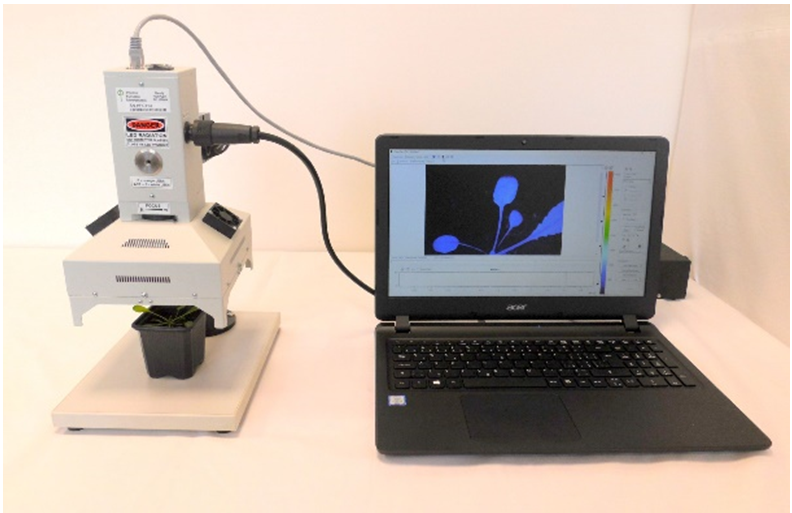
 FKM多光谱荧光动态显微成像系统
报价:面议 已咨询 338次
 Ecodrone®高光谱-激光雷达-红外热成像无人机遥感系统
报价:面议 已咨询 448次
 你可能还想看



①本文由仪器网入驻的作者或注册的会员撰写并发布,观点仅代表作者本人,不代表仪器网立场。若内容侵犯到您的合法权益,请及时告诉,我们立即通知作者,并马上删除。
②凡本网注明"来源:仪器网"的所有作品,版权均属于仪器网,转载时须经本网同意,并请注明仪器网(www.yiqi.com)。
③本网转载并注明来源的作品,目的在于传递更多信息,并不代表本网赞同其观点或证实其内容的真实性,不承担此类作品侵权行为的直接责任及连带责任。其他媒体、网站或个人从本网转载时,必须保留本网注明的作品来源,并自负版权等法律责任。
④若本站内容侵犯到您的合法权益,请及时告诉,我们马上修改或删除。邮箱:hezou_yiqi
 热点文章
热点文章 飞秒激光打造“防冰盔甲”,超疏水表面光热防冰 又强又稳”
 近期话题
近期话题 相关产品
相关产品







 沪公网安备 31011502008050号
参与评论
登录后参与评论