内容简介
本综述聚焦基于人体骨骼肌生物力学设计用于可穿戴应用的线性气动人工肌肉。气动人工肌肉 (PAM) 能产生多模态运动,例如收缩、伸长、螺旋扭转以及弯曲等。其中,PAM的收缩和伸长旨在模仿人类骨骼肌的线性运动。将只能实现收缩/伸长运动的PAM称为线性气动人工肌肉 (LPAM)。LPAM具有柔顺性、良好的人机交互性、安全性以及低成本制备等优点,便于集成到软体可穿戴机器人系统,因此,LPAM极具应用潜力。本文对LPAM的仿生设计方法及其穿戴应用案例进行了全面回顾。首先,分析了人体骨骼肌生物力学,包括解剖学、形态学和生物力学特性,从而为LPAM的仿生设计提供理论指导,确定了基于LPAM的可穿戴机器人的设计需求。其次,本文根据不同结构形状将LPAM分为四类,分别是圆柱型气动肌肉、扁平型气动肌肉、褶皱型气动肌肉和其他类型气动肌肉。再者,本文概述了LPAM与穿戴者肢体之间的绑缚方式,并在考虑了收缩率、最大输出力、单位气压输出力、响应频率、辅助力矩/体重比和净代谢成本等关键指标的基础上,对基于LPAM的可穿戴机器人驱动特性和辅助效果进行了比较分析。最后,本文总结了LPAM仿生设计及其穿戴辅助应用技术面临的挑战和未来的发展方向。
引用本文(点击最下方阅读原文可下载PDF)
Ma Z, Liu J, Liu H., 2025. et al. Design of linear pneumatic artificial muscles guided by biomechanics of human skeletal muscle for wearable application: a review. Bio-des Manuf 8(6):1080–1102. https://doi.org/10.1631/bdm.2400389
文章导读
图1 骨骼肌形态特征
图2 圆柱型气动肌肉
图3 扁平型气动肌肉
图4 褶皱型气动肌肉
参考文献
上下滑动以阅览
1. Raitor M, Ruggles SW, Delp SL et al (2024) Lower-limb exoskeletons appeal to both clinicians and older adults, especially for fall prevention and joint pain reduction. IEEE Trans Neural Syst Rehabil Eng 32:1577–1585. https://doi.org/10.1109/TNSRE.2024.3381979
2. Yoo HJ, Lee J, Cho KJ (2024) Arm back support suit (Abs-Suit) for parcel delivery with a passive load redistribution mechanism. IEEE Robot Autom Lett 9(2):1238–1245. https://doi.org/10.1109/LRA.2023.3340511
3. Kim J, Porciuncula F, Yang HD et al (2024) Soft robotic apparel to avert freezing of gait in Parkinson’s disease. Nat Med 30(1): 177–185. https://doi.org/10.1038/s41591-023-02731-8
4. Ma Z, Liu JB, Ma GY et al (2023) Lockable lower-limb exoskeleton based on a novel variable-stiffness joint: reducing physical fatigue at squatting. J Mech Robot 15(5):051008. https://doi.org/10.1115/1.4055964
5. Zhou YM, Hohimer CJ, Young HT et al (2024) A portable inflatable soft wearable robot to assist the shoulder during industrial work. Sci Robot 9(91):eadi2377. https://doi.org/10.1126/scirobotics.adi2377
6. Kim JI, Choi J, Kim J et al (2024) Bilateral back extensor exosuit for multidimensional assistance and prevention of spinal injuries. Sci Robot 9(92):eadk6717. https://doi.org/10.1126/scirobotics.adk6717
7. Hawkes EW, Christensen DL, Okamura AM (2016) Design and implementation of a 300% strain soft artificial muscle. In: IEEE International Conference on Robotics and Automation, p.4022–4029. https://doi.org/10.1109/ICRA.2016.7487592
8. Abe T, Koizumi S, Nabae H et al (2019) Fabrication of “18 weave” muscles and their application to soft power support suit for upper limbs using thin McKibben muscle. IEEE Robot Autom Lett 4(3):2532–2538. https://doi.org/10.1109/LRA.2019.2907433
9. Zhu MJ, Do TN, Hawkes E et al (2020) Fluidic fabric muscle sheets for wearable and soft robotics. Soft Robot 7(2):179–197. https://doi.org/10.1089/soro.2019.0033
10. Bhat A, Jaipurkar SS, Low LT et al (2023) Reconfigurable soft pneumatic actuators using extensible fabric-based skins. Soft Robot 10(5):923–936. https://doi.org/10.1089/soro.2022.0089
11. Sch?ffer K, Ozkan-Aydin Y, Coad MM (2024) Soft wrist exosuit actuated by fabric pneumatic artificial muscles. IEEE Trans Med Robot Bionics 6(2):718–732. https://doi.org/10.1109/TMRB.2024.3385795
12. Zou J, Feng M, Ding NY et al (2021) Muscle-fiber array inspired, multiple-mode, pneumatic artificial muscles through planar design and one-step rolling fabrication. Natl Sci Rev 8(10): nwab048. https://doi.org/10.1093/nsr/nwab048
13. Chou CP, Hannaford B (1996) Measurement and modeling of McKibben pneumatic artificial muscles. IEEE Trans Robot Autom 12(1):90–102. https://doi.org/10.1109/70.481753
14. Zhu JQ, Chen H, Chai ZP et al (2024) A dual-modal hybrid gripper with wide tunable contact stiffness range and high compliance for adaptive and wide-range grasping objects with diverse fragilities. Soft Robot 11(3):371–381. https://doi.org/10.1089/soro.2023.0022
15. Feng M, Yang DZ, Ren L et al (2023) X-crossing pneumatic artificial muscles. Sci Adv 9(38):eadi7133. https://doi.org/10.1126/sciadv.adi7133
16. Jang JH, Jamil B, Moon Y et al (2023) Design of gusseted pouch motors for improved soft pneumatic actuation. IEEE/ASME Trans Mechatron 28(6):3053–3063. https://doi.org/10.1109/TMECH.2023.3244347
17. Zhang C, Zhu PG, Lin YQ et al (2021) Fluid-driven artificial muscles: bio-design, manufacturing, sensing, control, and applications. Bio-Des Manuf 4(1):123–145. https://doi.org/10.1007/s42242-020-00099-z
18. Grellmann H, Lohse FM, Kamble VG et al (2022) Fundamentals and working mechanisms of artificial muscles with textile application in the loop. Smart Mater Struct 31(2):023001. https://doi.org/10.1088/1361-665X/ac3d9d
19. Higueras-Ruiz DR, Nishikawa K, Feigenbaum H et al (2022) What is an artificial muscle? A comparison of soft actuators to biological muscles. Bioinspir Biomim 17(1):011001. https://doi.org/10.1088/1748-3190/ac3adf
20. Jamil B, Oh N, Lee JY et al (2024) A review and comparison of linear pneumatic artificial muscles. Int J Precis Eng Manuf Green Technol 11(1):277–289. https://doi.org/10.1007/s40684-023-00531-6
21. Al-Mayahi W, Al-Fahaam H (2024) A review of design and modeling of pneumatic artificial muscle. Iraqi J Electr Electron Eng 20(1):122–136. https://doi.org/10.37917/ijeee.20.1.13
22. Kalita B, Leonessa A, Dwivedy SK (2022) A review on the development of pneumatic artificial muscle actuators: force model and application. Actuators 11(10):288. https://doi.org/10.3390/act11100288
23. Tondu B (2012) Modelling of the McKibben artificial muscle: a review. J Intell Mater Syst Struct 23(3):225–253. https://doi.org/10.1177/1045389x11435435
24. Su H, Hou X, Zhang X et al (2022) Pneumatic soft robots: challenges and benefits. Actuators 11(3):92. https://doi.org/10.3390/act11030092
25. Hussain S, Ficuciello F (2024) Advancements in soft wearable robots: a systematic review of actuation mechanisms and physical interfaces. IEEE Trans Med Robot Bionics 6(3):903–929. https://doi.org/10.1109/TMRB.2024.3407374
26. Pan M, Yuan CG, Liang XR et al (2022) Soft actuators and robotic devices for rehabilitation and assistance. Adv Intell Syst 4(4):2100140. https://doi.org/10.1002/aisy.202100140
27. Shi YJ, Dong W, Lin WQ et al (2022) Soft wearable robots: development status and technical challenges. Sensors 22(19): 7584. https://doi.org/10.3390/s22197584
28. Gotti C, Sensini A, Zucchelli A et al (2020) Hierarchical fibrous structures for muscle-inspired soft-actuators: a review. Appl Mater Today 20:100772. https://doi.org/10.1016/j.apmt.2020.100772
29. Mukund K, Subramaniam S (2020) Skeletal muscle: a review of molecular structure and function, in health and disease. Wires Syst Biol Med 12(1):e1462. https://doi.org/10.1002/wsbm.1462
30. Rall JA (2018) What makes skeletal muscle striated? Discoveries in the endosarcomeric and exosarcomeric cytoskeleton. Adv Physiol Educ 42(4):672–684. https://doi.org/10.1152/advan.00152.2018
31. Huxley HE (1953) Electron microscope studies of the organisation of the filaments in striated muscle. Biochim Biophys Acta 12(1–2):387–394. https://doi.org/10.1016/0006-3002(53)90156-5
32. Madden JDW, Vandesteeg NA, Anquetil PA et al (2004) Artificial muscle technology: physical principles and naval prospects. IEEE J Ocean Eng 29(3):706–728. https://doi.org/10.1109/JOE.2004.833135
33. Delp SL, Anderson FC, Arnold AS et al (2007) OpenSim: open-source software to create and analyze dynamic simulations of movement. IEEE Trans Biomed Eng 54(11):1940–1950. https://doi.org/10.1109/TBME.2007.901024
34. Seth A, Hicks JL, Uchida TK et al (2018) OpenSim: simulating musculoskeletal dynamics and neuromuscular control to study human and animal movement. PLoS Comput Biol 14(7): e1006223. https://doi.org/10.1371/journal.pcbi.1006223
35. Lee LF, Umberger BR (2016) Generating optimal control simulations of musculoskeletal movement using OpenSim and MATLAB. PeerJ 4:e1638. https://doi.org/10.7717/peerj.1638
36. De Groote F, Falisse A (2021) Perspective on musculoskeletal modelling and predictive simulations of human movement to assess the neuromechanics of gait. Proc Biol Sci 288(1946): 20202432. https://doi.org/10.1098/rspb.2020.2432
37. Arnold EM, Hamner SR, Seth A et al (2013) How muscle fiber lengths and velocities affect muscle force generation as humans walk and run at different speeds. J Exp Biol 216(Pt 11):2150–2160. https://doi.org/10.1242/jeb.075697
38. Galle S, Malcolm P, Collins SH et al (2017) Reducing the metabolic cost of walking with an ankle exoskeleton: interaction between actuation timing and power. J Neuroeng Rehabil 14(1): 35. https://doi.org/10.1186/s12984-017-0235-0
39. Cao Y, Huang J, Huang ZB et al (2018) Dynamic model of exoskeleton based on pneumatic muscle actuators and experiment verification. In: IEEE-RAS 18th International Conference on Humanoid Robots, p.334–339. https://doi.org/10.1109/HUMANOIDS.2018.8624914
40. Kulasekera AL, Arumathanthri RB, Chathuranga DS et al (2020) A low-profile vacuum actuator: towards a sit-to-stand assist exosuit. In: 3rd IEEE International Conference on Soft Robotics, p.110–115. https://doi.org/10.1109/robosoft48309.2020.9115999
41. Galle S, Malcolm P, Derave W et al (2015) Uphill walking with a simple exoskeleton: plantarflexion assistance leads to proximal adaptations. Gait Posture 41(1):246–251. https://doi.org/10.1016/j.gaitpost.2014.10.015
42. Wang YX, Li YN, Wang JB et al (2024) A novel high-torque bidirectional curl pneumatic muscle with stretchable sheath: design and finite element method analysis. IEEE Robot Autom Mag 31(3):83–96. https://doi.org/10.1109/MRA.2023.3283332
43. Kwon J, Yoon SJ, Park YL (2020) Flat inflatable artificial muscles with large stroke and adjustable force–length relations. IEEE Trans Robot 36(3):743–756. https://doi.org/10.1109/TRO.2019.2961300
44. Felt W, Robertson MA, Paik J (2018) Modeling vacuum bellows soft pneumatic actuators with optimal mechanical performance. In: IEEE International Conference on Soft Robotics, p.534–540. https://doi.org/10.1109/ROBOSOFT.2018.8405381
45. Zaghloul A, Bone GM (2020) 3D shrinking for rapid fabrication of origami-inspired semi-soft pneumatic actuators. IEEE Access 8:191330–191340. https://doi.org/10.1109/ACCESS.2020.3032131
46. Cho HS, Kim TH, Hong TH et al (2020) Ratchet-integrated pneumatic actuator (RIPA): a large-stroke soft linear actuator inspired by sarcomere muscle contraction. Bioinspir Biomim 15(3): 036011. https://doi.org/10.1088/1748-3190/ab7762
47. Tondu B, Lopez P (2000) Modeling and control of McKibben artificial muscle robot actuators. IEEE Control Syst Mag 20(2): 15–38. https://doi.org/10.1109/37.833638
48. Sangian D, Naficy S, Spinks GM et al (2015) The effect of geometry and material properties on the performance of a small hydraulic McKibben muscle system. Sens Actuat A Phys 234: 150–157. https://doi.org/10.1016/j.sna.2015.08.025
49. Krishnan G, Bishop-Moser J, Kim C et al (2015) Kinematics of a generalized class of pneumatic artificial muscles. J Mech Robot 7(4):041014. https://doi.org/10.1115/1.4029705
50. Cullinan MF, Bourke E, Kelly K et al (2017) A McKibben type sleeve pneumatic muscle and integrated mechanism for improved stroke length. J Mech Robot 9(1):011013. https://doi.org/10.1115/1.4035496
51. Yu ZF, Pillsbury T, Wang G et al (2019) Hyperelastic analysis of pneumatic artificial muscle with filament-wound sleeve and coated outer layer. Smart Mater Struct 28(10):105019. https://doi.org/10.1088/1361-665x/ab300d
52. Yahara S, Wakimoto S, Kanda T et al (2019) McKibben artificial muscle realizing variable contraction characteristics using helical shape-memory polymer fibers. Sens Actuat A Phys 295: 637–642. https://doi.org/10.1016/j.sna.2019.06.012
53. Zhou ZC, Kokubu S, Wang YY et al (2022) Optimization of spring constant of a pneumatic artificial muscle-spring driven antagonistic structure. IEEE Robot Autom Lett 7(3):5982–5989. https://doi.org/10.1109/LRA.2022.3162021
54. Zabihollah S, Moezi SA, Sedaghati R (2023) Design optimization of a miniaturized pneumatic artificial muscle and experimental validation. Actuators 12(6):221. https://doi.org/10.3390/act12060221
55. Akashi N, Kuniyoshi Y, Jo T et al (2024) Embedding bifurcations into pneumatic artificial muscle. Adv Sci 11(25):2304402. https://doi.org/10.1002/advs.202304402
56. Zhang XT, Krishnan G (2018) A nested pneumatic muscle arrangement for amplified stroke and force behavior. J Intell Mater Syst Struct 29(6):1139–1156. https://doi.org/10.1177/1045389x17730920
57. Wang YJ, Liu CB, Ren LQ et al (2022) Bioinspired soft actuators with highly ordered skeletal muscle structures. Bio-Des Manuf 5(1):174–188. https://doi.org/10.1007/s42242-021-00148-1
58. Jamil B, Lee S, Choi Y (2019) Fabrication, characterization and control of knit-covered pneumatic artificial muscle. IEEE Access 7:84770–84783. https://doi.org/10.1109/ACCESS.2019.2925682
59. Carvalho ADD, Karanth N, Desai V (2021) Design and characterization of a pneumatic muscle actuator with novel end-fittings for medical assistive applications. Sens Actuat A Phys 331:112877. https://doi.org/10.1016/j.sna.2021.112877
60. Yi J, Chen XJ, Song CY et al (2018) Fiber-reinforced origamic robotic actuator. Soft Robot 5(1):81–92. https://doi.org/10.1089/soro.2016.0079
61. Ball EJ, Meller MA, Chipka JB et al (2016) Modeling and testing of a knitted-sleeve fluidic artificial muscle. Smart Mater Struct 25(11):115024. https://doi.org/10.1088/0964-1726/25/11/115024
62. Kim S, Lee SR, Lee S et al (2022) Power-efficient soft pneumatic actuator using spring-frame collateral compression mechanism. Actuators 11(3):76. https://doi.org/10.3390/act11030076
63. Zhang SX, Gong DX, Yu JJ (2022) Design of a multi-connection pneumatic artificial muscle. In: 12th International Conference on CYBER Technology in Automation, Control, and Intelligent Systems, p.301–306. https://doi.org/10.1109/CYBER55403.2022.9907615
64. Jenkins T, Bryant M (2020) Pennate actuators: force, contraction and stiffness. Bioinspir Biomim 15(4):046005. https://doi.org/10.1088/1748-3190/ab860f
65. Bruder D, Wood RJ (2022) The chain-link actuator: exploiting the bending stiffness of McKibben artificial muscles to achieve larger contraction ratios. IEEE Robot Autom Lett 7(1):542–548. https://doi.org/10.1109/LRA.2021.3130627
66. Robinson RM, Kothera CS, Wereley NM (2015) Variable recruitment testing of pneumatic artificial muscles for robotic manipulators. IEEE/ASME Trans Mechatron 20(4):1642–1652. https://doi.org/10.1109/TMECH.2014.2341660
67. Xie DS, Zuo SY, Liu JB (2020) A novel flat modular pneumatic artificial muscle. Smart Mater Struct 29(6):065013. https://doi.org/10.1088/1361-665X/ab84b9
68. Xie DS, Liu JB, Kang RJ et al (2021) Fully 3D-printed modular pipe-climbing robot. IEEE Robot Autom Lett 6(2):462–469. https://doi.org/10.1109/LRA.2020.3047795
69. Xie DS, Ma Z, Liu JB et al (2021) Pneumatic artificial muscle based on novel winding method. Actuators 10(5):100. https://doi.org/10.3390/act10050100
70. Daerden F, Lefeber D (2001) The concept and design of pleated pneumatic artificial muscles. Int J Fluid Power 2(3):41–50. https://doi.org/10.1080/14399776.2001.10781119
71. Daerden F, Lefeber D, Verrelst B et al (2001) Pleated pneumatic artificial muscles: actuators for automation and robotics. In: IEEE/ASME International Conference on Advanced Intelligent Mechatronics, p.738–743. https://doi.org/10.1109/AIM.2001.936758
72. Daerden F, Lefeber D, Verrelst B et al (2001) Pleated pneumatic artificial muscles: compliant robotic actuators. In: IEEE/RSJ International Conference on Intelligent Robots and Systems, p.1958–1963. https://doi.org/10.1109/IROS.2001.976360
73. Verrelst B, Van Ham R, Vanderborght B et al (2006) Second generation pleated pneumatic artificial muscle and its robotic applications. Adv Robot 20(7):783–805. https://doi.org/10.1163/156855306777681357
74. Villegas D, Van Damme M, Vanderborght B et al (2012) Third-generation pleated pneumatic artificial muscles for robotic applications: development and comparison with McKibben muscle. Adv Robot 26(11/12):1205–1227. https://doi.org/10.1080/01691864.2012.689722
75. Beyl P, Van Damme M, Ham RV et al (2014) Pleated pneumatic artificial muscle-based actuator system as a torque source for compliant lower limb exoskeletons. IEEE/ASME Trans Mechatron 19(3):1046–1056. https://doi.org/10.1109/TMECH.2013.2268942
76. Terryn S, Brancart J, Lefeber D et al (2018) A pneumatic artificial muscle manufactured out of self-healing polymers that can repair macroscopic damages. IEEE Robot Autom Lett 3(1):16–21. https://doi.org/10.1109/LRA.2017.2724140
77. Kurumaya S, Nabae H, Endo G et al (2017) Design of thin McKibben muscle and multifilament structure. Sens Actuat A Phys 261:66–74. https://doi.org/10.1016/j.sna.2017.04.047
78. Belding L, Baytekin B, Baytekin HT et al (2018) Slit tubes for semisoft pneumatic actuators. Adv Mater 30(9):1704446. https://doi.org/10.1002/adma.201704446
79. Nakamura T (2007) Experimental comparisons between McKibben type artificial muscles and straight fibers type artificial muscles. In: SPIE International Conference on Smart Structures, Devices and Systems, Article 641426. https://doi.org/10.1117/12.698845
80. Watanabe M, Tadakuma K, Tadokoro S (2024) Hyperboloidal pneumatic artificial muscle with braided straight fibers. IEEE Robot Autom Lett 9(5):4242–4249. https://doi.org/10.1109/LRA.2024.3377565
81. Hiramitsu T, Suzumori K, Nabae H et al (2023) Active textile: woven-cloth-like mechanisms consist of thin McKibben actuators. Adv Robot 37(7):480–494. https://doi.org/10.1080/01691864.2022.2156813
82. Nakagawa K, Sakai Y, Funabora Y et al (2022) Turning a functional cloth into an actuator by combining thread-like thin artificial muscles and embroidery techniques. IEEE Robot Autom Lett 7(3):5827–5833. https://doi.org/10.1109/LRA.2022.3157401
83. Kurumaya S, Nabae H, Endo G et al (2019) Active textile braided in three strands with thin McKibben muscle. Soft Robot 6(2): 250–262. https://doi.org/10.1089/soro.2018.0076
84. Kadir MRA, Faudzi AAM, Rahman MAA (2022) Performance evaluation for braided McKibben pneumatic actuators in telescopic nested structure. IEEE Robot Autom Lett 7(4):10906–10913. https://doi.org/10.1109/LRA.2022.3192168
85. Koizumi S, Kurumaya S, Nabae H et al (2020) Recurrent braiding of thin McKibben muscles to overcome their limitation of contraction. Soft Robot 7(2):251–258. https://doi.org/10.1089/soro.2019.0022
86. Azizi E, Roberts TJ (2013) Variable gearing in a biologically inspired pneumatic actuator array. Bioinspir Biomim 8(2):026002. https://doi.org/10.1088/1748-3182/8/2/026002
87. Hiramitsu T, Suzumori K, Nabae H et al (2019) Experimental evaluation of textile mechanisms made of artificial muscles. In: 2nd IEEE International Conference on Soft Robotics, p.1–6. https://doi.org/10.1109/robosoft.2019.8722802
88. Wu CC, Liu H, Lin SY et al (2023) Braiding polythene lay-flat tube into cotton threads for artificial muscle actuation. Adv Intell Syst 5(11):2300428. https://doi.org/10.1002/aisy.202300428
89. Xie DS, Su YJ, Li XL et al (2023) Fluid-driven highperformance bionic artificial muscle with adjustable muscle architecture. Adv Intell Syst 5(6):2200370. https://doi.org/10.1002/aisy.202200370
90. Liu JB, Ma Z, Wang YX et al (2022) Reconfigurable self-sensing pneumatic artificial muscle with locking ability based on modular multi-chamber soft actuator. IEEE Robot Autom Lett 7(4):8635–8642. https://doi.org/10.1109/LRA.2022.3189154
91. Wirekoh J, Park YL (2017) Design of flat pneumatic artificial muscles. Smart Mater Struct 26(3):035009. https://doi.org/10.1088/1361-665X/aa5496
92. Niiyama R, Sun X, Sung C et al (2015) Pouch motors: printable soft actuators integrated with computational design. Soft Robot 2(2):59–70. https://doi.org/10.1089/soro.2014.0023
93. Yang HD, Greczek BT, Asbeck AT (2019) Modeling and analysis of a high-displacement pneumatic artificial muscle with integrated sensing. Front Robot AI 5:136. https://doi.org/10.3389/frobt.2018.00136
94. Yue WC, Bai CX, Lai JW et al (2024) Dual-stroke soft Peltier pouch motor based on pipeless thermo-pneumatic actuation. Adv Eng Mater 26(5):2301408. https://doi.org/10.1002/adem.202301408
95. Sanan S, Lynn PS, Griffith ST (2014) Pneumatic torsional actuators for inflatable robots. J Mech Robot 6(3):031003. https://doi.org/10.1115/1.4026629
96. Natividad RF, Miller-Jackson T, Chen-Hua RY (2021) A 2-DOF shoulder exosuit driven by modular, pneumatic, fabric actuators. IEEE Trans Med Robot Bionics 3(1):166–178. https://doi.org/10.1109/TMRB.2020.3044115
97. Thalman CM, Hsu J, Snyder L et al (2019) Design of a soft ankle-foot orthosis exosuit for foot drop assistance. In: International Conference on Robotics and Automation, p.8436–8442. https://doi.org/10.1109/icra.2019.8794005
98. Baye-Wallace L, Thalman CM, Lee H (2022) Entrainment during human locomotion using a lightweight soft robotic hip exosuit (SR-HExo). IEEE Robot Autom Lett 7(3):6131–6138. https://doi.org/10.1109/LRA.2022.3165225
99. Thalman CM, Debeurre M, Lee H (2021) Entrainment during human locomotion using a soft wearable ankle robot. IEEE Robot Autom Lett 6(3):4265–4272. https://doi.org/10.1109/LRA.2021.3066961
100. Thalman CM, Hertzell T, Debeurre M et al (2022) Multi-degrees-of-freedom soft robotic ankle-foot orthosis for gait assistance and variable ankle support. Wearable Technol 3:e18. https://doi.org/10.1017/wtc.2022.14
101. Park YL, Santos J, Galloway KG et al (2014) A soft wearable robotic device for active knee motions using flat pneumatic artificial muscles. In: IEEE International Conference on Robotics and Automation, p.4805–4810. https://doi.org/10.1109/ICRA.2014.6907562
102. Li SJ, Lin JH, Kang HW et al (2022) Bio-inspired origamic pouch motors with a high contraction ratio and enhanced force output. Robot Auton Syst 149:103983. https://doi.org/10.1016/j.robot.2021.103983
103. Zhou ZX, Ai QS, Meng W et al (2022) Design and finite element modeling of novel flat pneumatic artificial muscles. In: IEEE/ASME International Conference on Advanced Intelligent Mechatronics, p.1341–1346. https://doi.org/10.1109/AIM52237.2022.9863322
104. Wang SC, Frias Miranda E, Blumenschein LH (2023) The folded pneumatic artificial muscle (foldPAM): towards programmability and control via end geometry. IEEE Robot Autom Lett 8(3): 1383–1390. https://doi.org/10.1109/LRA.2023.3238160
105. Oh N, Park YJ, Lee S et al (2019) Design of paired pouch motors for robotic applications. Adv Mater Technol 4(1):1800414. https://doi.org/10.1002/admt.201800414
106. Greer JD, Morimoto TK, Okamura AM et al (2017) Series pneumatic artificial muscles (sPAMs) and application to a soft continuum robot. IEEE Int Conf Robot Autom 2017:5503–5510. https://doi.org/10.1109/ICRA.2017.7989648
107. Veale AJ, Xie SQ, Anderson IA (2016) Modeling the Peano fluidic muscle and the effects of its material properties on its static and dynamic behavior. Smart Mater Struct 25(6):065014. https://doi.org/10.1088/0964-1726/25/6/065014
108. Xie DS, Liu JB, Zuo SY (2021) Pneumatic artificial muscle with large stroke based on a contraction ratio amplification mechanism and self-contained sensing. IEEE Robot Autom Lett 6(4):8599–8606. https://doi.org/10.1109/LRA.2021.3113375
109. Wang YX, Ma Z, Zuo SY et al (2023) A novel wearable pouchtype pneumatic artificial muscle with contraction and force sensing. Sens Actuat A Phys 359:114506. https://doi.org/10.1016/j.sna.2023.114506
110. Yang DZ, Feng M, Gu GY (2024) High-stroke, high-output-force, fabric-lattice artificial muscles for soft robots. Adv Mater 36(2):2306928. https://doi.org/10.1002/adma.202306928
111. Heung KH, Lei T, Liang KX et al (2024) Quasi-static modeling framework for soft bellow-based biomimetic actuators. Biomimetics 9(3):160. https://doi.org/10.3390/biomimetics9030160
112. Zhang Z, Fan WC, Chen GL et al (2021) A 3D printable origami vacuum pneumatic artificial muscle with fast and powerful motion. In: IEEE 4th International Conference on Soft Robotics, p.551–554. https://doi.org/10.1109/robosoft51838.2021.9479194
113. Gollob SD, Mendoza MJ, Koo BHB et al (2023) A length-adjustable vacuum-powered artificial muscle for wearable physiotherapy assistance in infants. Front Robot AI 10: 1190387. https://doi.org/10.3389/frobt.2023.1190387
114. Park J, Choi J, Kim SJ et al (2020) Design of an inflatable wrinkle actuator with fast inflation/deflation responses for wearable suits. IEEE Robot Autom Lett 5(3):3799–3805. https://doi.org/10.1109/LRA.2020.2976299
115. Joe S, Totaro M, Wang HB et al (2021) Development of the ultralight hybrid pneumatic artificial muscle: modelling and optimization. PLoS ONE 16(4):e0250325. https://doi.org/10.1371/journal.pone.0250325
116. Wang T, Zhu JW, Li F et al (2024) Development of negative-pressure artificial muscles with fiber constraints and pre-stretched soft skin. IEEE Robot Autom Lett 9(1):414–419. https://doi.org/10.1109/LRA.2023.3333704
117. Wang T, Wang X, Fu GQ et al (2024) Theoretical study of vacuum-powered artificial muscles with inner support and flexible skin. Eng Res Express 6(2):025201. https://doi.org/10.1088/2631-8695/ad3716
118. Wu Z, Zhao P, Lei J (2024) Analyzing the contraction force of artificial muscles under negative pressure actuation. Exp Tech 48(4):693–707. https://doi.org/10.1007/s40799-023-00686-6
119. Gregov G, Ploh T, Kamenar E (2022) Design, development and experimental assessment of a cost-effective bellow pneumatic actuator. Actuators 11(6):170. https://doi.org/10.3390/act11060170
120. Coutinho A, Rodrigue H (2023) Fluidic hardware strategies for powering combined negative- and positive-pressure artificial muscles. Adv Eng Mater 25(14):2300071. https://doi.org/10.1002/adem.202300071
121. Coutinho A, Kim S, Rodrigue H (2024) Reinforced bidirectional artificial muscles: enhancing force and stability for soft robotics. Intell Serv Robot 17(1):55–66. https://doi.org/10.1007/s11370-023-00487-1
122. Mendoza MJ, Cancán S, Surichaqui S et al (2024) Versatile vacuum-powered artificial muscles through replaceable external reinforcements. Front Robot AI 10:1289074. https://doi.org/10.3389/frobt.2023.1289074
123. Lee JY, Rodrigue H (2019) Efficiency of origami-based vacuum pneumatic artificial muscle for off-grid operation. Int J Precis Eng Manuf Green Technol 6(4):789–797. https://doi.org/10.1007/s40684-019-00142-0
124. Zang SX, Misseroni D, Zhao T et al (2024) Kresling origami mechanics explained: experiments and theory. J Mech Phys Solids 188:105630. https://doi.org/10.1016/j.jmps.2024.105630
125. Jin T, Li L, Wang TH et al (2022) Origami-inspired soft actuators for stimulus perception and crawling robot applications. IEEE Trans Robot 38(2):748–764. https://doi.org/10.1109/TRO.2021.3096644
126. Jiao ZD, Zhang C, Ruan JP et al (2021) Re-foldable origami-inspired bidirectional twisting of artificial muscles reproduces biological motion. Cell Rep Phys Sci 2(5):100407. https://doi.org/10.1016/j.xcrp.2021.100407
127. Liu JB, Ma GY, Ma Z et al (2023) Origami-inspired soft-rigid hybrid contraction actuator and its application in pipe-crawling robot. Smart Mater Struct 32(6):065015. https://doi.org/10.1088/1361-665X/acd0e7
128. Lee JY, Rodrigue H (2019) Origami-based vacuum pneumatic artificial muscles with large contraction ratios. Soft Robot 6(1): 109–117. https://doi.org/10.1089/soro.2018.0063
129. Chen FF, Miao YP, Zhang L et al (2022) Triply periodic channels enable soft pneumatic linear actuator with single material and scalability. IEEE Robot Autom Lett 7(2):2668–2675. https://doi.org/10.1109/LRA.2022.3143292
130. Han K, Kim NH, Shin D (2018) A novel soft pneumatic artificial muscle with high-contraction ratio. Soft Robot 5(5):554–566. https://doi.org/10.1089/soro.2017.0114
131. Yang D, Verma MS, So JH et al (2016) Buckling pneumatic linear actuators inspired by muscle. Adv Mater Technol 1(3): 1600055. https://doi.org/10.1002/admt.201600055
132. De Pascali C, Naselli GA, Palagi S et al (2022) 3D-printed bio-mimetic artificial muscles using soft actuators that contract and elongate. Sci Robot 7(68):eabn4155. https://doi.org/10.1126/scirobotics.abn4155
133. Kulasekera AL, Arumathanthri RB, Chathuranga DS et al (2021) A thin-walled vacuum actuator (ThinVAc) and the development of multi-filament actuators for soft robotic applications. Sens Actuat A Phys 332:113088. https://doi.org/10.1016/j.sna.2021.113088
134. Labazanova L, Wu ZY, Gu ZP et al (2021) Bio-inspired design of artificial striated muscles composed of sarcomere-like contraction units. In: 20th International Conference on Advanced Robotics, p.370–377. https://doi.org/10.1109/icar53236.2021.9659330
135. Diteesawat RS, Helps T, Taghavi M et al (2021) Characteristic analysis and design optimization of bubble artificial muscles. Soft Robot 8(2):186–199. https://doi.org/10.1089/soro.2019.0157
136. Oguntosin V, Akindele A (2019) Design and characterization of artificial muscles from wedge-like pneumatic soft modules. Sens Actuat A Phys 297:111523. https://doi.org/10.1016/j.sna.2019.07.047
137. Ogawa J, Mori T, Watanabe Y et al (2022) MORI-A: soft vacuum-actuated module with 3D-printable deformation structure. IEEE Robot Autom Lett 7(2):2495–2502.
138. Ambrose JW, Tan GYE, Chiang NZR et al (2023) Sarcomere-inspired multilayer artificial muscle units for hyperconfigurable robotic applications. Adv Intell Syst 5(12):2300410. https://doi.org/10.1002/aisy.202300410
139. Yuan PZ, Kawano G, Tsukagoshi H (2020) Design and modeling of soft pneumatic helical actuator with high contraction ratio. J Robot Mechatron 32(5):1061–1070. https://doi.org/10.20965/jrm.2020.p1061
140. Yuan PZ, Kawano G, Tsukagoshi H (2019) Soft pneumatic helical actuator with high contraction ratio. In: IEEE/RSJ International Conference on Intelligent Robots and Systems, p.8300–8305. https://doi.org/10.1109/iros40897.2019.8968281
141. Chung S, Coutinho A, Rodrigue H (2023) Manufacturing and design of inflatable kirigami actuators. IEEE Robot Autom Lett 8(1):25–32. https://doi.org/10.1109/LRA.2022.3221318
142. Kawamura T, Takanaka K, Nakamura T et al (2013) Development of an orthosis for walking assistance using pneumatic artificial muscle: a quantitative assessment of the effect of assistance. In: IEEE 13th International Conference on Rehabilitation Robotics, p.1–6. https://doi.org/10.1109/ICORR.2013.6650350
143. Kimura S, Suzuki R, Machida K et al (2021) Development of an exoskeleton-type assist suit utilizing variable stiffness control devices based on human joint characteristics. Actuators 10(1): 17. https://doi.org/10.3390/act10010017
144. Furukawa JI, Okajima S, An Q et al (2022) Selective assist strategy by using lightweight carbon frame exoskeleton robot. IEEE Robot Autom Lett 7(2):3890–3897. https://doi.org/10.1109/LRA.2022.3148799
145. Antonellis P, Galle S, De Clercq D et al (2018) Altering gait variability with an ankle exoskeleton. PLoS ONE 13(10): e0205088. https://doi.org/10.1371/journal.pone.0205088
146. Galle S, Malcolm P, Derave W et al (2014) Enhancing performance during inclined loaded walking with a powered ankle-foot exoskeleton. Eur J Appl Physiol 114(11):2341–2351. https://doi.org/10.1007/s00421-014-2955-1
147. Arora A, Sarkar D, Kumar A et al (2022) Low-pressure pneumatic muscles: development, phenomenological modeling, and evaluation in assistive applications through sEMG analysis. J Mech Sci Technol 36(9):4719–4733. https://doi.org/10.1007/s12206-022-0832-0
148. Young AJ, Gannon H, Ferris DP (2017) A biomechanical comparison of proportional electromyography control to biological torque control using a powered hip exoskeleton. Front Bioeng Biotechnol 5:37. https://doi.org/10.3389/fbioe.2017.00037
149. Teng CM, Wong Z, Teh W et al (2012) Design and development of inexpensive pneumatically-powered assisted knee-ankle-foot orthosis for gait rehabilitation-preliminary finding. In: International Conference on Biomedical Engineering, p.28–32. https://doi.org/10.1109/ICoBE.2012.6178949
150. Zhang MS, Huang J, Cao Y et al (2022) Echo state network-enhanced super-twisting control of passive gait training exoskeleton driven by pneumatic muscles. IEEE/ASME Trans Mechatron 27(6):5107–5118. https://doi.org/10.1109/TMECH.2022.3172715
151. Malcolm P, Galle S, Derave W et al (2018) Bi-articular knee-ankle-foot exoskeleton produces higher metabolic cost reduction than weight-matched mono-articular exoskeleton. Front Neurosci 12:69. https://doi.org/10.3389/fnins.2018.00069
152. Do Nascimento BG, Santos Vimieiro CB, Nagem DAP et al (2008) Hip orthosis powered by pneumatic artificial muscle: voluntary activation in absence of myoelectrical signal. Artif Organs 32(4):317–322. https://doi.org/10.1111/j.1525-1594.2008.00549.x
153. Wehner M, Quinlivan B, Aubin PM et al (2013) A lightweight soft exosuit for gait assistance. In: IEEE International Conference on Robotics and Automation, p.3362–3369. https://doi.org/10.1109/ICRA.2013.6631046
154. Malcolm P, Derave W, Galle S et al (2013) A simple exoskeleton that assists plantarflexion can reduce the metabolic cost of human walking. PLoS ONE 8(2):e56137. https://doi.org/10.1371/journal.pone.0056137
155. Koller JR, Gates DH, Ferris DP et al (2016) ‘Body-in-the-loop’ optimization of assistive robotic devices: a validation study. In: Proceedings of Robotics: Science and Systems, p.1–10. https://doi.org/10.15607/rss.2016.xii.007
156. Banyarani PB, Tarvirdizadeh B, Hadi A (2024) Design and fabrication of a soft wearable robot using a novel pleated fabric pneumatic artificial muscle (pfPAM) to assist walking. Sens Actuat A Phys 370:115278. https://doi.org/10.1016/j.sna.2024.115278
157. Kawamura T, Noma M, Nakamura T (2014) Development of a passive switching cam mechanism for walking assistance using pneumatic artificial muscle. In: IEEE/ASME International Conference on Advanced Intelligent Mechatronics, p.1486–1491. https://doi.org/10.1109/AIM.2014.6878293
158. Ogawa K, Thakur C, Ikeda T et al (2017) Development of a pneumatic artificial muscle driven by low pressure and its application to the unplugged powered suit. Adv Robot 31(21): 1135–1143. https://doi.org/10.1080/01691864.2017.1392345
159. Galle S, Derave W, Bossuyt F et al (2017) Exoskeleton plantarflexion assistance for elderly. Gait Posture 52:183–188. https://doi.org/10.1016/j.gaitpost.2016.11.040
160. Sawicki GS, Ferris DP (2009) Mechanics and energetics of incline walking with robotic ankle exoskeletons. J Exp Biol 212(1):32–41. https://doi.org/10.1242/jeb.017277
161. Sawicki GS, Ferris DP (2008) Mechanics and energetics of level walking with powered ankle exoskeletons. J Exp Biol 211(9): 1402–1413. https://doi.org/10.1242/jeb.009241
162. Miyazaki T, Kawase T, Kanno T et al (2021) Running motion assistance using a soft gait-assistive suit and its experimental validation. IEEE Access 9:94700–94713.
163. Thakur C, Ogawa K, Tsuji T et al (2018) Soft wearable augmented walking suit with pneumatic gel muscles and stance phase detection system to assist gait. IEEE Robot Autom Lett 3(4):4257–4264. https://doi.org/10.1109/LRA.2018.2864355
164. Malcolm P, Galle S, Van den Berghe P et al (2018) Exoskeleton assistance symmetry matters: unilateral assistance reduces metabolic cost, but relatively less than bilateral assistance. J Neuroeng Rehabil 15(1):74. https://doi.org/10.1186/s12984-018-0381-z
165. Kulasekera AL, Arumathanthri RB, Chathuranga DS et al (2021) A low-profile vacuum actuator (LPVAc) with integrated inductive displacement sensing for a novel sit-to-stand assist exosuit. IEEE Access 9:117067–117079.
166. Furukawa JI, Noda T, Teramae T et al (2016) An EMG-driven weight support system with pneumatic artificial muscles. IEEE Syst J 10(3):1026–1034. https://doi.org/10.1109/JSYST.2014.2330376
167. Hong JC, Fukushima Y, Suzuki S et al (2017) Estimation of ankle dorsiflexion torque during loading response phase for spring coefficient identification. In: IEEE International Conference on Robotics and Biomimetics, p.2237–2242. https://doi.org/10.1109/ROBIO.2017.8324751
168. Pulvirenti E, Diteesawat RS, Hauser H et al (2022) Towards a soft exosuit for hypogravity adaptation: design and control of lightweight bubble artificial muscles. In: IEEE 5th International Conference on Soft Robotics, p.651–656. https://doi.org/10.1109/RoboSoft54090.2022.9762121
169. Jang JH, Coutinho A, Park YJ et al (2023) A positive and negative pressure soft linear brake for wearable applications. IEEE Trans Ind Electron 70(1):688–698. https://doi.org/10.1109/TIE.2022.3148746
170. Zhong SY, Gai ZY, Yang Y et al (2022) A contraction length feedback method for the McKibben pneumatic artificial muscle. Sens Actuat A Phys 334:113321. https://doi.org/10.1016/j.sna.2021.113321
171. Saga N, Shimada K, Inamori D et al (2022) Smart pneumatic artificial muscle using a bend sensor like a human muscle with a muscle spindle. Sensors 22(22):8975. https://doi.org/10.3390/s22228975
172. Kim W, Park H, Kim J (2021) Compact flat fabric pneumatic artificial muscle (ffPAM) for soft wearable robotic devices. IEEE Robot Autom Lett 6(2):2603–2610. https://doi.org/10.1109/LRA.2021.3062012
173. Tian WH, Wakimoto S, Yamaguchi D et al (2024) Development of a smart artificial muscle using optical fibres. Smart Mater Struct 33(5):055047. https://doi.org/10.1088/1361-665X/ad3ec9
174. Mirvakili SM, Sim D, Hunter IW et al (2020) Actuation of untethered pneumatic artificial muscles and soft robots using magnetically induced liquid-to-gas phase transitions. Sci Robot 5(41):eaaz4239. https://doi.org/10.1126/scirobotics.aaz4239
175. Tang W, Zhang C, Zhong YD et al (2021) Customizing a self-healing soft pump for robot. Nat Commun 12(1):2247. https://doi.org/10.1038/s41467-021-22391-x
176. Guo XY, Tang W, Qin KC et al (2024) Powerful UAV manipulation via bioinspired self-adaptive soft self-contained gripper. Sci Adv 10(19):eadn6642. https://doi.org/10.1126/sciadv.adn6642
177. Tang W, Zhong YD, Xu HX et al (2023) Self-protection soft fluidic robots with rapid large-area self-healing capabilities. Nat Commun 14(1):6430. https://doi.org/10.1038/s41467-023-42214-5
178. Tang W, Lin YQ, Zhang C et al (2021) Self-contained soft electrofluidic actuators. Sci Adv 7(34):eabf8080. https://doi.org/10.1126/sciadv.abf8080
179. Ide M, Hashimoto T, Matsumoto K et al (2020) Evaluation of the power assist effect of muscle suit for lower back support. IEEE Access 9:3249–3260. https://doi.org/10.1109/ACCESS.2020.3047637
关于本刊
Bio-Design and Manufacturing(中文名《生物设计与制造》),简称BDM,是浙江大学主办的专业英文双月刊,主编杨华勇院士、崔占峰院士,2018年新创,2019年被SCI-E等库检索,2023年起改为双月刊,年末升入《2023年中国科学院文献情报中心期刊分区表》医学一区;2025再次入选医学大类一区Top期刊,同时在工程、生物医学小类也升至一区。2025年公布的最新影响因子为7.6,位列JCR的Q1区,18/124。
初审迅速:初审快速退稿,不影响作者投其它期刊。
审稿速度快:学科编辑24小时初审决定投稿是否进入同行评议阶段;平均评审录用周期约40天;文章录用后及时在线SpringerLink,一般两周左右即被SCI-E检索。
收稿方向 :先进制造(3D打印及生物处理工程等)、生物墨水与配方、组织与器官工程、医学与诊断装置、生物产品设计、仿生设计与制造等。
文章类型:Research Article, Review, Short Paper (包括Editorial, Perspective, Letter, Technical Note, Case Report, Lab Report, Negative Result等)。
期刊主页:
http://www.springer.com/journal/42242
http://www.jzus.zju.edu.cn/ (国内可下载全文)
在线投稿地址:
http://www.editorialmanager.com/bdmj/default.aspx
全部评论(0条)
 相关产品推荐(★较多用户关注☆)
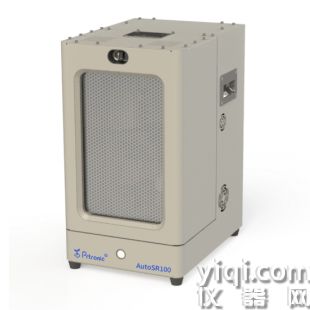 合成反应器-幂方科技 Auto SR100 自动合成反应器
报价:面议 已咨询 1065次
 微电子打印机-幂方科技 MF-MP1100 微电子打印机
报价:面议 已咨询 1038次
 微电子打印机-幂方科技 MF-MP2200 多功能微电子打印机
报价:面议 已咨询 1078次
 微电子打印机-幂方科技 MF-MP3300多功能微电子打印机
报价:面议 已咨询 1138次
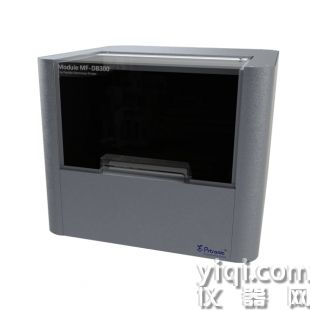 微电子打印机-幂方科技 MF-DB300多功能柔性电子打印机
报价:面议 已咨询 1105次
 电子电路打印机-幂方科技 MF-EM400 电子电路印刷设备
报价:面议 已咨询 1090次
 曲面共形打印机-幂方科技 MF-DBCS500 多功能柔性电子曲面共形打印机
报价:面议 已咨询 1060次
 柔性电子器件制备-幂方科技 MF-AP300 自动后处理平台
报价:面议 已咨询 1060次
 你可能还想看




①本文由仪器网入驻的作者或注册的会员撰写并发布,观点仅代表作者本人,不代表仪器网立场。若内容侵犯到您的合法权益,请及时告诉,我们立即通知作者,并马上删除。
②凡本网注明"来源:仪器网"的所有作品,版权均属于仪器网,转载时须经本网同意,并请注明仪器网(www.yiqi.com)。
③本网转载并注明来源的作品,目的在于传递更多信息,并不代表本网赞同其观点或证实其内容的真实性,不承担此类作品侵权行为的直接责任及连带责任。其他媒体、网站或个人从本网转载时,必须保留本网注明的作品来源,并自负版权等法律责任。
④若本站内容侵犯到您的合法权益,请及时告诉,我们马上修改或删除。邮箱:hezou_yiqi
关于作者
幂方科技专注于印刷与柔性电子方向,实现了柔性电子电路、柔性能源器件、柔性屏幕、柔性传感器、柔性生物电子、人工肌肉等柔性电子器件和系统的印刷制备,积极探索柔性电子技术在健康医疗、智能包装、工业互联网、柔性可穿戴、电子皮肤等领域的应用。
 热点文章
热点文章 近期话题
近期话题 相关产品
相关产品
 在线留言
在线留言

关注微信公众号

微信小程序





 沪公网安备 31011502008050号
参与评论
登录后参与评论