1. Schaechter M (2009) Encyclopedia of Microbiology (3rd Ed.). Elsevier/Academic Press, Tokyo. https://doi.org/10.1016/B978-012373944-5
2. Partap S, Plunkett NA, O’brien FJ (2010) Bioreactors in tissue engineering. In: Daniel E (Ed.), Tissue Engineering. IntechOpen, p.323–337. https://doi.org/10.5772/8579
3. Antoni D, Burckel H, Josset E et al (2015) Three-dimensional cell culture: a breakthrough in vivo. Int J Mol Sci 16(3):5517–5527. https://doi.org/10.3390/ijms16035517
4. Martin I, Wendt D, Heberer M (2004) The role of bioreactors in tissue engineering. Trends Biotechnol 22(2):80–86. https://doi.org/10.1016/j.tibtech.2003.12.001
5. Grayson WL, Martens TP, Eng GM et al (2009) Biomimetic approach to tissue engineering. Semin Cell Dev Biol 20(6):665–673. https://doi.org/10.1016/j.semcdb.2008.12.008
6. Bertucci C, Koppes R, Dumont C (2019) Neural responses to electrical stimulation in 2D and 3D in vitro environments. Brain Res Bull 152:265–284. https://doi.org/10.1016/j.brainresbull.2019.07.016
7. Castro N, Ribeiro SO, Fernandes MM et al (2020) Physically active bioreactors for tissue engineering applications. Adv Biosyst 4(10):e2000125. https://doi.org/10.1002/adbi.202000125
8. Rangarajan S, Madden L, Bursac N (2014) Use of flow, electrical, and mechanical stimulation to promote engineering of striated muscles. Ann Biomed Eng 42(7):1391–1405. https://doi.org/10.1007/s10439-013-0966-4
9. Ravichandran, A, Liu YC, Teoh SH (2018) Bioreactor design towards generation of relevant engineered tissues: focus on clinical translation. J Tissue Eng Regener Med 12(1):e7–e22. https://doi.org/10.1002/term.2270
10. Lim D, Renteria ES, Sime DS et al (2022) Bioreactor design and validation for manufacturing strategies in tissue engineering. Bio-Des Manuf 5(1):43–63. https://doi.org/10.1007/s42242-021-00154-3
11. Massai D, Meglio FD, Serino G et al (2019) Application of 3D printing technology for design and manufacturing of customized components for a mechanical stretching bioreactor. J Healthc Eng 2019(1):3957931. https://doi.org/10.1155/2019/3957931
12. Carbonaro D, Putame G, Castaldo C et al (2020) A low-cost scalable 3D-printed sample-holder for agitation-based decellularization of biological tissues. Med Eng Phys 85:7–15. https://doi.org/10.1016/j.medengphy.2020.09.006
13. Musgrove HB, Catterton MA, Pompano RR (2022) Applied tutorial for the design and fabrication of biomicrofluidic devices by resin 3D printing. Anal Chim Acta 1209:339842. https://doi.org/10.1016/j.aca.2022.339842
14. Bayarsaikhan E, Lim JH, Shin SH et al (2021) Effects of post-curing temperature on the mechanical properties and biocompatibility of three-dimensional printed dental resin material. Polymers 13(8):1180. https://doi.org/10.3390/polym13081180
15. Jer?ovait? J, ?arachovait? U, Matulaitien? I et al (2023) Biocompatibility enhancement via post-processing of microporous scaffolds made by optical 3D printer. Front Bioeng Biotechnol 11: 1167753. https://doi.org/10.3389/fbioe.2023.1167753
16. Abousleiman RI, Sikavitsas VI (2006) Bioreactors for tissues of the musculoskeletal system. Adv Exp Med Biol 585:243–259. https://doi.org/10.1007/978-0-387-34133-0_17
17. Frontera WR, Ochala J (2015) Skeletal muscle: a brief review of structure and function. Calcif Tissue Int 96:183–195. https://doi.org/10.1007/s00223-014-9915-y
18. Smoak MM, Mikos AG (2020) Advances in biomaterials for skeletal muscle engineering and obstacles still to overcome. Mater Today Bio 7:100069. https://doi.org/10.1016/j.mtbio.2020.100069
19. Heher P, Maleiner B, Prüller J et al (2015) A novel bioreactor for the generation of highly aligned 3D skeletal muscle-like constructs through orientation of fibrin via application of static strain. Acta Biomater 24:251–265. https://doi.org/10.1016/j.actbio.2015.06.033
20. Cook CA, Huri PY, Ginn BP et al (2016) Characterization of a novel bioreactor system for 3D cellular mechanobiology studies. Biotechnol Bioeng 113(8):1825–1837. https://doi.org/10.1002/bit.25946
21. Mantero S, Sadr N, Riboldi SA et al (2007) A new electromechanical bioreactor for soft tissue engineering. J Appl Biomater Biomech 5(2):107–116.
22. Powell CA, Smiley BL, Mills J et al (2002) Mechanical stimulation improves tissue-engineered human skeletal muscle. Am J Physiol Cell Physiol 283(5):C1557–C1565. https://doi.org/10.1152/ajpcell.00595.2001
23. Chang YJ, Chen YJ, Huang CW et al (2016) Cyclic stretch facilitates myogenesis in C2C12 myoblasts and rescues thiazolidinedione inhibited myotube formation. Front Bioeng Biotechnol 4:27. https://doi.org/10.3389/fbioe.2016.00027
24. Pisanu A, Reid G, Fusco D et al (2022) Bizonal cardiac engineered tissues with differential maturation features in a mid-throughput multimodal bioreactor. iScience 25(5):104297. https://doi.org/10.1016/j.isci.2022.104297
25. Putame G, Gabetti S, Carbonaro D et al (2020) Compact and tunable stretch bioreactor advancing tissue engineering implementation. Application to engineered cardiac constructs. Med Eng Phys 84:1–9. https://doi.org/10.1016/j.medengphy.2020.07.018
26. Pang QM, Zu JW, Siu GM et al (2010) Design and development of a novel biostretch apparatus for tissue engineering. J Biomech Eng 132(1):014503. https://doi.org/10.1115/1.3005154
27. Wu MH, Wang HY, Liu HL et al (2011) Development of high-throughput perfusion-based microbioreactor platform capable of providing tunable dynamic tensile loading to cells and its application for the study of bovine articular chondrocytes. Biomed Microdev 13(4):789–798. https://doi.org/10.1007/s10544-011-9549-z
28. Cole K, Henano N, Miller T et al (2015) Mechanical and Electrical Stimulation Device for the Creation of a Functional Unit of Human Skeletal Muscle In Vitro. Worcester Polytechnic Institute, Worcester, MA, USA, Project No. RLP-1401
29. Aguilar-Agon KW, Capel AJ, Martin NRW et al (2019) Mechanical loading stimulates hypertrophy in tissue-engineered skeletal muscle: molecular and phenotypic responses. J Cell Physiol 234(12):23547–23558. https://doi.org/10.1002/jcp.28923
30. Wang T, Gardiner BS, Lin Z et al (2013) Bioreactor design for tendon/ligament engineering. Tissue Eng Part B Rev 19(2):133–146. https://doi.org/10.1089/ten.TEB.2012.0295
31. Chen ZM, Chen PL, Ruan R et al (2020) Applying a three-dimensional uniaxial mechanical stimulation bioreactor system to induce tenogenic differentiation of tendon-derived stem cells. J Vis Exp 2020(162):e61278. https://doi.org/10.3791/61278
32. Béland J, Duverger JE, Petitjean E et al (2020). Development of an open hardware bioreactor for optimized cardiac cell culture integrating programmable mechanical and electrical stimulations. AIP Adv 10(3):035133. https://doi.org/10.1063/1.5144922
33. Donnelly K, Alastair K, Andrew P et al (2010) A novel bioreactor for stimulating skeletal muscle in vitro. Tissue Eng Part C Methods 16(4):711–718. https://doi.org/10.1089/ten.tec.2009.0125
34. Zheng XS, Tan C, Castagnola E et al (2021) Electrode materials for chronic electrical microstimulation. Adv Healthc Mater 10(12): e2100119. https://doi.org/10.1002/adhm.202100119
35. Tandon N, Cannizzaro C, Chao PHG et al (2009) Electrical stimulation systems for cardiac tissue engineering. Nat Protoc 4(2):155–173. https://doi.org/10.1038/nprot.2008.183
36. Mobini S, Leppik L, Parameswaran TV et al (2017) In vitro effect of direct current electrical stimulation on rat mesenchymal stem cells. PeerJ 5:e2821. https://doi.org/10.7717/peerj.2821
37. Park KH, Brotto L, Lehoang O et al (2012) Ex vivo assessment of contractility, fatigability and alternans in isolated skeletal muscles. J Vis Exp 69:e4198. https://doi.org/10.3791/4198
38. Dennis RG, Kosnik PE (2000) Excitability and isometric contractile properties of mammalian skeletal muscle constructs engineered in vitro. In Vitro Cell Dev Biol Anim 36(5):327–335. https://doi.org/10.1290/1071-2690(2000)036<0327:EAICPO>2.0.CO;2
39. Morgan KY, Black LD (2014) Mimicking isovolumic contraction with combined electromechanical stimulation improves the development of engineered cardiac constructs. Tissue Eng Part A 20(11–12):1654–1667. https://doi.org/10.1089/ten.TEA.2013.0355
40. Gilbert-Honick J (2020). Engineering Skeletal Muscle for Histological and Functional Regeneration Following Volumetric Muscle Loss. Doctoral Dissertation, Johns Hopkins University, USA
41. Khodabukus A, Baar K (2012) Defined electrical stimulation emphasizing excitability for the development and testing of engineered skeletal muscle. Tissue Eng Part C Methods 18(5): 349–357. https://doi.org/10.1089/ten.TEC.2011.0364
42. McMahon DK, Anderson PA, Nassar R et al (1994) C2C12 cells: biophysical, biochemical, and immunocytochemical properties. Am J Physiol 266(6 Pt 1):C1795–C1802. https://doi.org/10.1152/ajpcell.1994.266.6.C1795
43. Hofemeier AD, Limon T, Muenker TM et al (2021) Global and local tension measurements in biomimetic skeletal muscle tissues reveals early mechanical homeostasis. eLife 10:e60145. https://doi.org/10.7554/eLife.60145
44. Yoshioka K, Ito A, Arifuzzaman M et al (2021) Miniaturized skeletal muscle tissue fabrication for measuring contractile activity. J Biosci Bioeng 131(4):434–441. https://doi.org/10.1016/j.jbiosc.2020.11.014
45. Wang BW, Wang ZW, Chen T et al (2020) Development of novel bioreactor control systems based on smart sensors and actuators. Front Bioeng Biotechnol 8:7. https://doi.org/10.3389/fbioe.2020.00007
46. Akiyama Y, Nakayama A, Nakano S et al (2021) An electrical stimulation culture system for daily maintenance-free muscle tissue production. Cyborg Bionic Syst 2021:9820505. https://doi.org/10.34133/2021/9820505
47. Wheatley BB, Morrow DA, Odegard GM et al (2016) Skeletal muscle tensile strain dependence: hyperviscoelastic nonlinearity. J Mechan Behav Biomed Mater 53:445–454. https://doi.org/10.1016/j.jmbbm.2015.08.041
48. ?orovi? S, Pavlin M, Miklav?i? D (2007) Analytical and numerical quantification and comparison of the local electric field in the tissue for different electrode configurations. BioMed Eng OnLine 6:37. https://doi.org/10.1186/1475-925X-6-37
49. Gabetti S, Sileo A, Montrone F et al (2023) Versatile electrical stimulator for cardiac tissue engineering—investigation of charge-balanced monophasic and biphasic electrical stimulations. Front Bioeng Biotechnol 10:1031183. https://doi.org/10.3389/fbioe.2022.1031183
50. Prill S, Jaeger MS, Duschl C (2014) Long-term microfluidic glucose and lactate monitoring in hepatic cell culture. Biomicrofluidics 8(3):034102. https://doi.org/10.1063/1.4876639
51. Somers SM, Spector AA, DiGirolamo DJ et al (2017) Biophysical stimulation for engineering functional skeletal muscle. Tissue Eng Part B Rev 23(4):362–372. https://doi.org/10.1089/ten.TEB.2016.0444
52. Pennisi CP, Olesen CG, Zee M et al (2011) Uniaxial cyclic strain drives assembly and differentiation of skeletal myocytes. Tissue Eng Part A 17(19–20):2543–2550. https://doi.org/10.1089/ten.TEA.2011.0089
53. Tandon N, C Cannizzaro, Figallo E et al (2006) Characterization of electrical stimulation electrodes for cardiac tissue engineering. In: International Conference of the IEEE Engineering in Medicine and Biology Society, p.845–848. https://doi.org/10.1109/IEMBS.2006.259747
54. Cannizzaro C, Tandon N, Figallo E et al (2007) Practical aspects of cardiac tissue engineering with electrical stimulation. Methods Mol Med 140:291–307. https://doi.org/10.1007/978-1-59745-443-8_16
55. Kim H, Kim MC, Asada HH (2019) Extracellular matrix remodelling induced by alternating electrical and mechanical stimulations increases the contraction of engineered skeletal muscle tissues. Sci Rep 9(1):2732. https://doi.org/10.1038/s41598-019-39522-6
56. Guimar?es CF, Gasperini L, Marques AP et al (2020) The stiffness of living tissues and its implications for tissue engineering. Nat Rev Mater 5(5):351–370. https://doi.org/10.1038/s41578-019-0169-1
57. Turner DC, Kasper AM, Seaborne RA et al (2019) Exercising bioengineered skeletal muscle in vitro: biopsy to bioreactor. Methods Mol Biol 1889:55–79. https://doi.org/10.1007/978-1-4939-8897-6_5
58. Roberts IV, Donno R, Galli F et al (2022) The contracture-in-a-well. An in vitro model distinguishes bulk and interfacial processes of irreversible (fibrotic) cell-mediated contraction. Biomater Adv 133:112661. https://doi.org/10.1016/j.msec.2022.112661
59. Ouyang XL, Xie YF, Wang GH (2019) Mechanical stimulation promotes the proliferation and the cartilage phenotype of mesenchymal stem cells and chondrocytes co-cultured in vitro. Biomed Pharmacother 117:109146. https://doi.org/10.1016/j.biopha.2019.109146
60. Fonseca FRM, Carvalho óSN, Gasik M et al (2023) Mechanical stimulation devices for mechanobiology studies: a market, literature, and patents review. Bio-Des Manuf 6(3):340–371. https://doi.org/10.1007/s42242-023-00232-8
61. Vallejo J, Spence M, Cheng AL et al (2016) Cellular and physiological effects of dietary supplementation with β-hydroxy-β-methylbutyrate (HMB) and β-alanine in late middle-aged mice. PLoS ONE 11(3):e0150066. https://doi.org/10.1371/journal.pone.0150066
62. Chan S, Head SI (2010) Age-and gender-related changes in contractile properties of non-atrophied EDL muscle. PLoS ONE 5(8):e12345. https://doi.org/10.1371/journal.pone.0012345
63. Somers SM, Grayson WL (2021) Protocol for the use of a novel bioreactor system for hydrated mechanical testing, strained sterile culture, and force of contraction measurement of tissue engineered muscle constructs. Front Cell Dev Biol 9:661036. https://doi.org/10.3389/fcell.2021.661036
64. Meinert C, Schrobback K, Hutmacher DW et al (2017) A novel bioreactor system for biaxial mechanical loading enhances the properties of tissue-engineered human cartilage. Sci Rep 7(1): 16997. https://doi.org/10.1038/s41598-017-16523-x
65. Rizzuto E, Carosio S, Faraldi M et al (2016) A DIC based technique to measure the contraction of a skeletal muscle engineered tissue. Appl Bionics Biomech 2016:7465095. https://doi.org/10.1155/2016/7465095
66. Tsai HF, Cheng JY, Chang HF et al (2016) Uniform electric field generation in circular multi-well culture plates using polymeric inserts. Sci Rep 6(1):26222. https://doi.org/10.1038/srep26222
67. Chen C, Bai X, Ding YH et al (2019) Electrical stimulation as a novel tool for regulating cell behavior in tissue engineering. Biomater Res 23:25. https://doi.org/10.1186/s40824-019-0176-8
68. Meng SY, Rouabhia M, Zhang Z (2021) Electrical stimulation and cellular behaviors in electric field in biomedical research. Materials 15(1):165. https://doi.org/10.3390/ma15010165
69. Reardon KF (2021) Practical monitoring technologies for cells and substrates in biomanufacturing. Curr Opin Biotechnol 71: 225–230. https://doi.org/10.1016/j.copbio.2021.08.006
70. Ferrari E, Palma C, Vesentini S et al (2020) Integrating biosensors in organs-on-chip devices: a perspective on current strategies to monitor microphysiological systems. Biosensors 10(9): 110. https://doi.org/10.3390/bios10090110
71. Kieninger J, Weltin A, Flamm H et al (2018) Microsensor systems for cell metabolism–from 2D culture to organ-on-chip. Lab Chip 18(9):1274–1291. https://doi.org/10.1039/c7lc00942a
72. Koike H, Kubota K, Sekine K et al (2012) Establishment of automated culture system for murine induced pluripotent stem cells. BMC Biotechnol 12(1):81. https://doi.org/10.1186/1472-6750-12-81
73. Lovecchio J, Gargiulo P, Vargas Luna JL et al (2019) A standalone bioreactor system to deliver compressive load under perfusion flow to hBMSC-seeded 3D chitosan-graphene templates. Sci Rep 9(1):16854. https://doi.org/10.1038/s41598-019-53319-7
74. Smith LR, Meyer GA (2020) Skeletal muscle explants: ex-vivo models to study cellular behavior in a complex tissue environment. Connect Tissue Res 61(3–4):248–261. https://doi.org/10.1080/03008207.2019.1662409
75. Leijendekker W, Elzinga G (1990) Metabolic recovery of mouse extensor digitorum longus and soleus muscle. Pflügers Archiv 416(1–2):22–27. https://doi.org/10.1007/BF00370217
76. Nagashima T, Hadiwidjaja S, Ohsumi S et al (2020) In vitro model of human skeletal muscle tissues with contractility fabricated by immortalized human myogenic cells. Adv Biosyst 4(11): e2000121. https://doi.org/10.1002/adbi.202000121
77. Grant L, Raman R, Cvetkovic C et al (2019) Long-term cryopreservation and revival of tissue-engineered skeletal muscle. Tissue Eng Part A 25(13–14):1023–1036. https://doi.org/10.1089/ten.tea.2018.0202
78. Shimizu K, Ohsumi S, Kishida T et al (2020) Fabrication of contractile skeletal muscle tissues using directly converted myoblasts from human fibroblasts. J Biosci Bioeng 129(5):632–637. https://doi.org/10.1016/j.jbiosc.2019.11.013
79. Fleming JW, Capel AJ, Rimington RP et al (2020) Bioengineered human skeletal muscle capable of functional regeneration. BMC Biol 18(1):145. https://doi.org/10.1186/s12915-020-00884-3
80. Somers SM, Zhang NY, Morrissette-McAlmon JBF et al (2019) Myoblast maturity on aligned microfiber bundles at the onset of strain application impacts myogenic outcomes. Acta Biomater 94:232–242. https://doi.org/10.1016/j.actbio.2019.06.024
81. Wragg NM, Player DJ, Martin NRW et al (2019) Development of tissue-engineered skeletal muscle manufacturing variables. Biotechnol Bioeng 116(9):2364–2376. https://doi.org/10.1002/bit.27074
82. Khodabukus A, Madden L, Prabhu NK et al (2019) Electrical stimulation increases hypertrophy and metabolic flux in tissue-engineered human skeletal muscle. Biomaterials 198:259–269. https://doi.org/10.1016/j.biomaterials.2018.08.058
83. Liu LQ, Zhang C, Wang WX et al (2018) Regulation of C2C12 differentiation and control of the beating dynamics of contractile cells for a muscle-driven biosyncretic crawler by electrical stimulation. Soft Robot 5(6):748–760. https://doi.org/10.1089/soro.2018.0017
84. Shimizu K, Genma R, Gotou Y et al (2017) Three-dimensional culture model of skeletal muscle tissue with atrophy induced by dexamethasone. Bioengineering 4(2):56. https://doi.org/10.3390/bioengineering4020056
85. Fleming JW, Capel AJ, Rimington RP et al (2019) Functional regeneration of tissue engineered skeletal muscle in vitro is dependent on the inclusion of basement membrane proteins. Cytoskeleton 76(6):371–382. https://doi.org/10.1002/cm.21553
86. Jones MG, Andriotis OG, Roberts JJW et al (2018) Nanoscale dysregulation of collagen structure-function disrupts mechano-homeostasis and mediates pulmonary fibrosis. eLife 7:e36354. https://doi.org/10.7554/eLife.36354
 相关产品推荐(★较多用户关注☆)
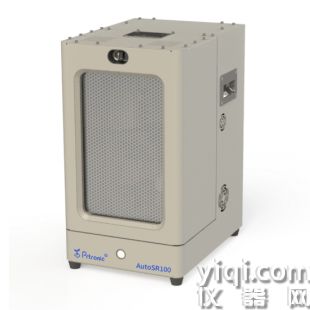 合成反应器-幂方科技 Auto SR100 自动合成反应器
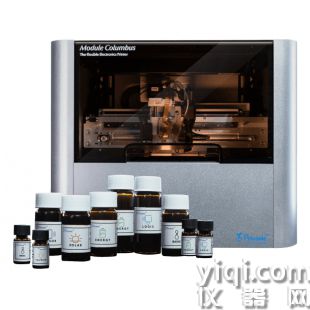 微电子打印机-幂方科技 MF-MP1100 微电子打印机
 微电子打印机-幂方科技 MF-MP2200 多功能微电子打印机
 微电子打印机-幂方科技 MF-MP3300多功能微电子打印机
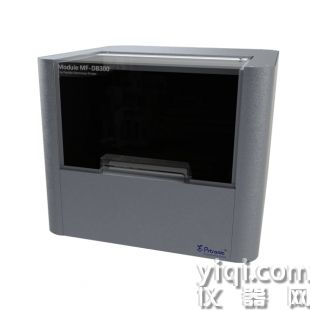 微电子打印机-幂方科技 MF-DB300多功能柔性电子打印机
 电子电路打印机-幂方科技 MF-EM400 电子电路印刷设备
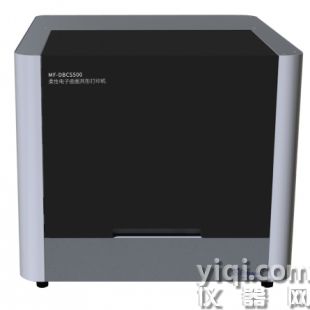 曲面共形打印机-幂方科技 MF-DBCS500 多功能柔性电子曲面共形打印机
 柔性电子器件制备-幂方科技 MF-AP300 自动后处理平台
 你可能还想看








 热点文章
热点文章 近期话题
近期话题 相关产品
相关产品







 沪公网安备 31011502008050号
参与评论
登录后参与评论